Carbon Reduction
Ratenimi, inciis prestium quam et exerum nulliquam ducipsum si ab int Em alit labore pa cores endae poribus
Our carbon reduction process:
01
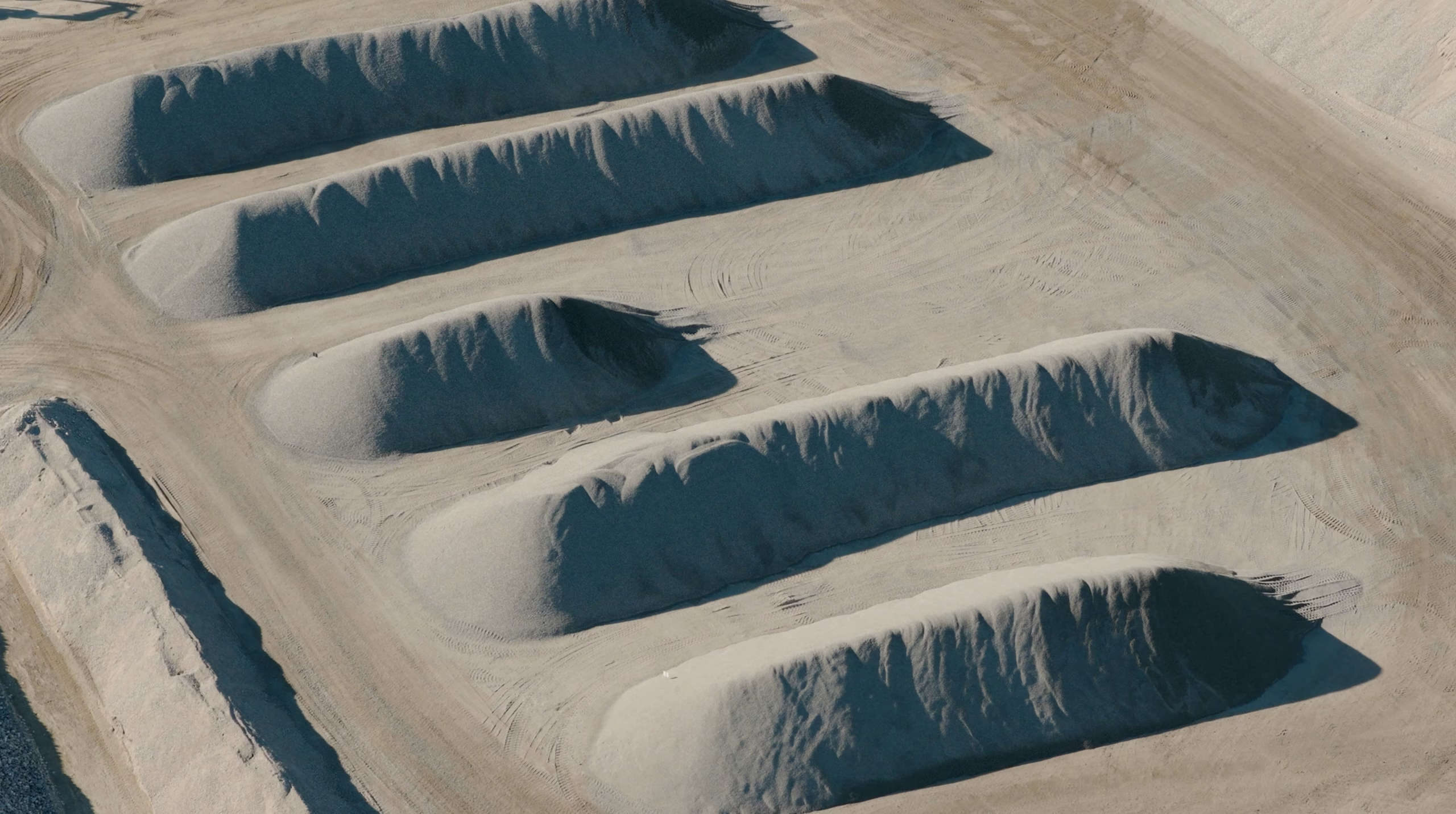
We source our aggregates from the discarded waste of former gold mines. This eliminates the embodied carbon of rock blasting and the environmental damage of greenfield, open cast mining.
02
Our dry cast products are cured in a tightly controlled environment, powered by the region’s renewable hydro energy, our kiln operates at 60°C and 100% humidity. This control over the curing process allows us to optimise the use of carbon-intensive cement when compared to in situ or wet-cast concrete, providing a product of consistent quality with a lower embodied carbon profile.
03
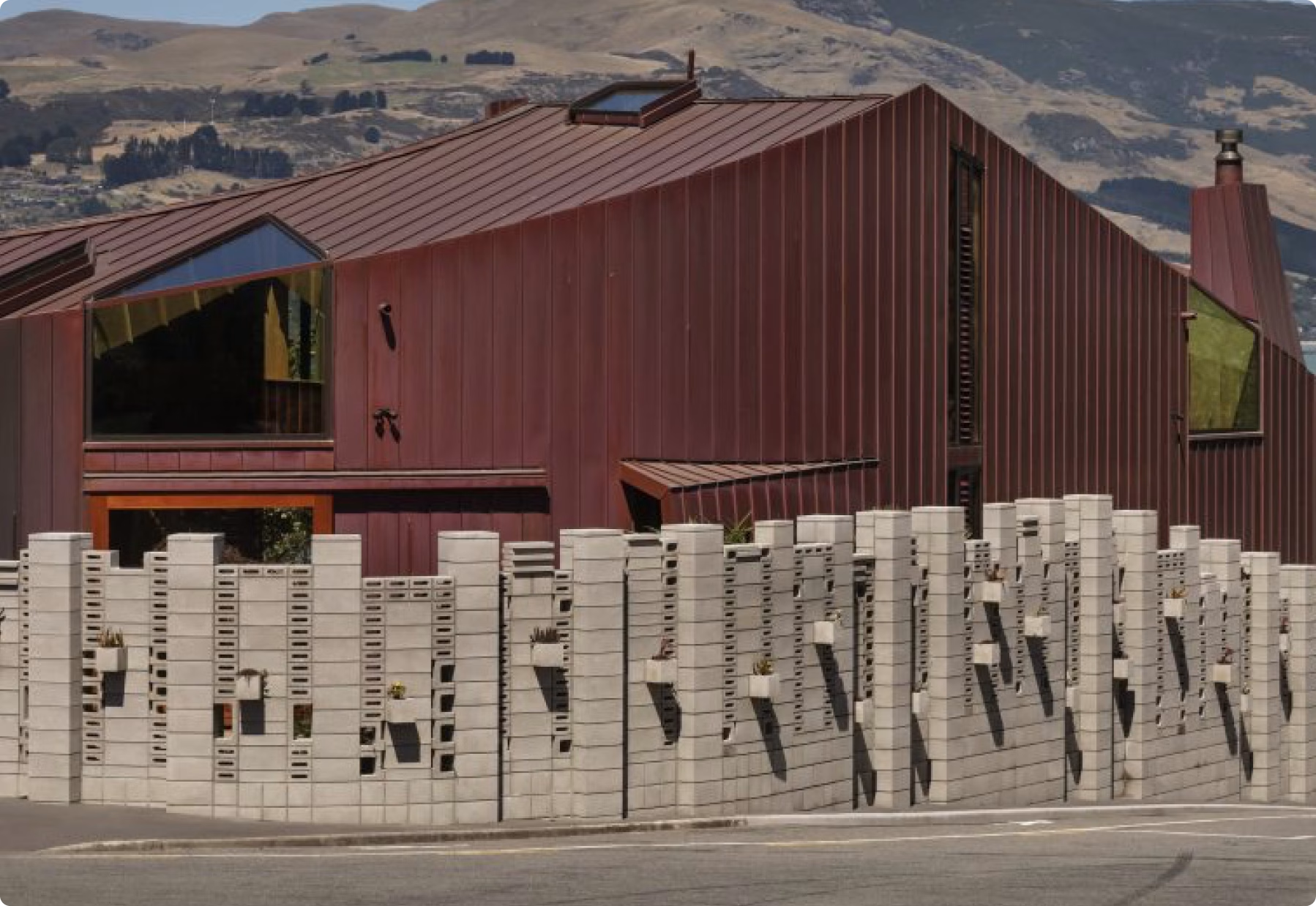
Concrete’s lower curing temperatures make dry-cast concrete less energy intensive to manufacture than clay bricks that require temperatures more than 900°C. Carbon modelling shows that a standard New Zealand concrete brick has on average 55% less embodied carbon than an imported clay brick.
04
Through our commitment to precise manufacturing, we have improved on the industry standard defect rate by 9% resulting in less carbon used and less construction waste to landfill.
05
Operationally, dry-cast concrete’s inherent thermal mass and longevity, create a long-term energy reduction in the operational energy required for heating and cooling. In addition, when compared to products such as timber weatherboards, dry-cast concrete eliminates the need for regular painting, which is carbon intensive owing to the pigments and binders in the product.